Is Your Pet’s Poop Normal? Why Gut Health Matters
Is Your Pet’s Poop Normal? Why Gut Health Matters Did you know that the gut actually serves as a second brain in the body? This is in addition to the following important benefits:Important nutrients like calcium and vitamin K are processed in the gut. These minerals are essential for bone and joint health. So, what does pet poop have to do with gut health? Poop is the end product of the digestive tract and can offer clues about your pet’s overall health. Learn all about abnormal pet poop below Watery Stool Watery stool is caused by a number of issues and often comes on suddenly and violently. Watery stool is never normal and should be addressed right way. Most acute cases are from toxicities (e.g., topical or ingestion), stress colitis, and systemic viruses and disease. In puppies and kittens, watery stool can be a symptom of a viral infection (e.g., parvovirus in dogs) and should be addressed immediately. Watery stool causes severe dehydration and can be deadly for young or compromised pets. Loose or Soft Stool Loose or soft stool can occur at random due to food intolerance or stress, but chronic loose or soft stool is not normal and can worsen over time, causing discomfort, malnutrition, and further gastrointestinal upset. Greasy, loose stool might indicate pancreatic issues (acute pancreatitis) or maldigestion, which occurs when enzymes that digest fat are not being adequately produced in the body. Kittens and puppies with prolonged episodes of soft stool need to see a vet. While it’s not uncommon for young animals to have irregular poops, the sudden onset of bowel changes might be viral in origin. Hard Stool Hard stool, straining, and slowed intestinal mobility is known as constipation. Constipation causes great discomfort in pets and might be coupled with vomiting and dehydration. Constipation is particularly dangerous in cats. Cats are especially prone to developing impactions of hair in the GI tract from grooming. Large Quantities Changes in the quantity of a pet’s poop can point to several things. An increase in volume can simply be due to lifestyle (e.g., accidental double-feeding). Alternatively, cats might withhold poop because of a dirty litter box or not enough litter boxes, and then pass a large bowel movement. Pets can also become stressed due to changes in the household or might refuse to potty because something startled them in their environment. Abnormal Color The color of your cat or dog’s poop reveals a lot about what is going on internally. If your pet is suffering from any of the aforementioned gut problems, talk to your vet right away. Many issues can be diagnosed and resolved with adequate veterinary care. Source: https://petdesk.com/blog/is-your-pets-poop-normal-why-gut-health-matters/ Other posts Is Your Pet’s Poop Normal? Why Gut Health Matters Why does my dog have bad breath?
Why does my dog have bad breath?
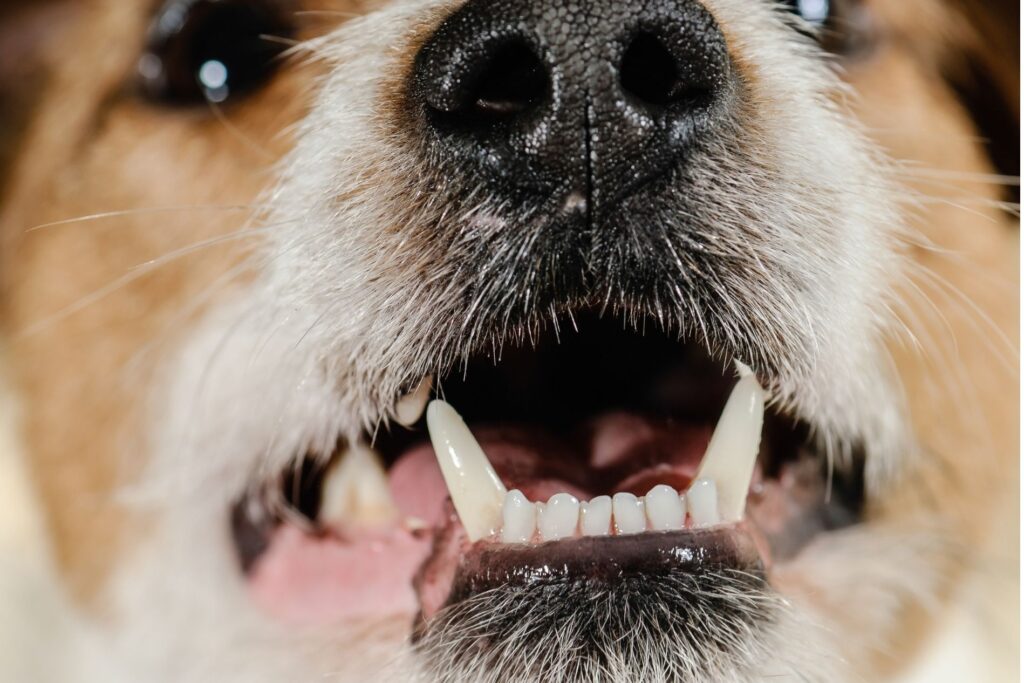
Why does my dog have bad breath? 1. Poor Dental Hygiene Are you brushing your pet’s teeth daily? If not, it’s important to get your pet on a daily tooth-brushing regimen. Failing to brush your pet’s teeth or not brushing nearly enough will cause a buildup of tartar, which later turns into plaque, a bacteria-harboring hard substance. The accumulation of plaque and tartar can lead to tooth decay, gum disease, and bad breath. Make sure the products you use are approved by the Veterinary Oral Health Council (VOHC) or your veterinarian and are pet-safe. When in doubt, take your pet in for an appointment with your veterinarian. 2. Periodontal Disease Periodontal disease in pets, also known as periodontitis, is the main cause of bad breath in cats and dogs. First, the problems start above the gum line, then bacteria makes its way beneath the gums, causing inflammation and infection. Once bone and the tissues that support the teeth are affected, tooth loss will occur. Unfortunately, pets that suffer from dental issues may also develop other signs and symptoms of poor dental health, such as pain, change in mood or temperament, loss of appetite, weight loss, chronic respiratory issues, and a general failure to thrive. In severe cases, bacteria from the mouth can enter the bloodstream and cause potentially life-threatening systemic illness that affects the kidneys, liver, and heart. 3. Systemic Issues Certain conditions like diabetes, kidney disease, or cancer can lead to bad breath in both dogs and cats. Diabetes will cause a pet’s breath to smell fruity or sweet because of the presence of ketones. Kidney disease can also cause bad breath in pets when the body cannot properly or efficiently filter waste from the blood. Other causes of bad breath include metabolic diseases, gastrointestinal disorders, and some forms of cancer. 4. Gum Disease Your pet’s gums should be a healthy bubblegum pink color. In the case of gum disease (gingivitis) gums may be inflamed, prone to bleeding, or show signs of recession. A dark red gum line, on the other hand, may indicate severe gingivitis (inflammation of the gums), stomatitis, and/or more advanced periodontal disease. Healthy gums should exhibit healthy perfusion. You can also use your finger to feel your pet’s gums. If they are dry or tacky, this may indicate dehydration or another underlying health issue. 5. Snacking Lastly, your pet’s bad breath may be caused by a common yet frequently overlooked problem. Some pets exhibit coprophagia, which is a fancy way of saying that they like to eat poop. Dogs are particularly sneaky about poop-eating, too. Next, work on resolving the behavior or removing the source. Sometimes, that’s not so easy. Source: https://petdesk.com/blog/why-does-my-pet-have-bad-breath/ Other posts Why does my dog have bad breath?